
6 things to know about pit type & pit-less weighbridges
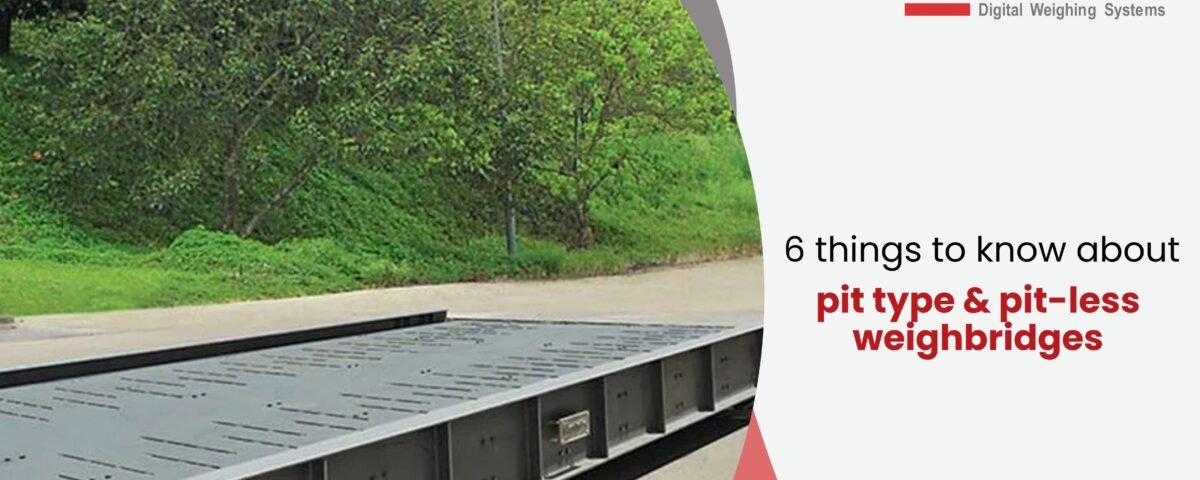
Choosing between pit-type and pitless weighbridges affects your budget, installation timeline, maintenance schedule, and daily operations for years. Most buyers focus only on upfront costs and miss critical factors like drainage problems, vehicle flow patterns, and relocation flexibility. This guide breaks down six essential differences between these weighing systems based on real installation data and operational performance.
You’ll learn how structural design, space requirements, installation complexity, maintenance demands, traffic patterns, and total ownership costs determine which weighbridge type fits your facility’s specific needs.
Structural Differences
Pit-Type Weighbridge Platform & Construction
Pit-type weighbridges sit flush with ground level after extensive excavation work. The weighing platform is installed inside a concrete pit that must be deep enough to house load cells, junction boxes, and supporting infrastructure.
This design requires specialized civil engineering to create proper drainage systems and structural reinforcement. The pit walls need waterproofing treatment to prevent moisture damage to sensitive components.
Pit-less Weighbridge Platform & Ramp Requirements
Pitless weighbridges mount above ground level on reinforced concrete foundations. No excavation is necessary since all components remain accessible from the surface.
Vehicles access the platform via approach ramps built on both ends. These ramps typically extend 10-15 feet depending on platform height and vehicle clearance requirements.
Space and Location Requirements
Site Suitability for Pit vs Pit-less
Pit-type systems work well when you have ample ground area but want to preserve yard space for vehicle maneuvering. The flush-mounted design doesn’t interrupt traffic flow since it sits at road level.
Pitless weighbridges demand more linear space because of required approach ramps. Factor in an additional 20-30 feet beyond the platform length for proper ramp angles.
Impact on Operational Layout
Here’s how each design affects your facility:
- Pit-type: Vehicles approach from multiple directions with flexible entry and exit points
- Pitless: Traffic follows a linear path with designated entry and exit sides
- Pit-type: Integrates seamlessly into existing road networks
- Pitless: Creates an elevated weighing zone that may require traffic pattern adjustments
Sites with limited ground space but adequate excavation capability favor pit-type installations. Locations with space for ramps but challenging soil conditions suit pitless models.
Installation and Project Timeline
Civil Work, Excavation, and Setup Time
Pit-type installation involves multiple phases: excavation, pit construction, drainage system installation, waterproofing, and platform mounting. This process typically takes 3-6 weeks depending on soil conditions and weather.
Pitless systems install in 3-7 days since they require only surface-level foundation work. There’s no waiting for pit construction or drainage infrastructure.
The cost difference is significant. Excavation, waterproofing, and drainage systems for pit-type weighbridges add 30-40% to initial project expenses compared to pitless alternatives.
Relocation and Modularity
Pitless weighbridges can be dismantled and relocated to different sites when business needs change. The modular design allows for platform length adjustments and capacity upgrades without major reconstruction.
Pit-type systems are permanent installations. Once the pit is constructed, relocation becomes impractical and cost-prohibitive.
Maintenance & Durability
Pit Drainage, Water Logging, and Long-Term Upkeep
Pit-type weighbridges face persistent water accumulation problems during monsoon seasons. Despite drainage systems, water collects in pits and exposes load cells to moisture damage.
Regular pit cleaning is mandatory. Debris, mud, and standing water must be removed to protect electronic components and prevent corrosion.
Above-Ground Versus Pit-Level Component Access
Pitless weighbridges offer superior maintenance accessibility. Technicians reach load cells, junction boxes, and wiring from ground level without entering confined spaces.
Pit maintenance requires workers to enter underground spaces, which creates safety concerns and extends service time. Submerged components corrode faster than above-ground alternatives.
Typical Service Intervals
Maintenance schedules vary by design:
- Pit-type: Monthly pit cleaning, quarterly drainage checks, biannual waterproofing inspections
- Pitless: Quarterly component inspections, annual calibration, minimal environmental protection needs
Vehicle Access & Traffic Flow
Entry and Exit Directions
Pit-type weighbridges allow vehicles to enter and exit from both sides since the platform sits at ground level. This bidirectional access improves traffic flow in busy facilities.
Pitless designs typically restrict traffic to single-direction flow due to ramp placement. Vehicles enter from one side and exit from the opposite end.
Handling High-Volume Traffic
Flush-mounted pit-type systems integrate naturally into road networks and support continuous vehicle flow. They work well for high-traffic logistics hubs and manufacturing facilities.
Pitless weighbridges create bottlenecks when traffic volume exceeds capacity since vehicles must wait for ramp access. Plan for adequate queuing space during peak operations.
Cost Considerations
Upfront Investment and Installation Costs
Pitless weighbridges cost 20-35% less initially than pit-type systems. The savings come from eliminated excavation work, simplified foundations, and reduced labor requirements.
Pit-type installations carry higher upfront expenses but may deliver better value in permanent, high-traffic applications where space optimization matters.
Total Cost of Ownership (TCO)
Calculate these factors over a 10-year period:
- Pit-type: Higher maintenance costs due to drainage management, pit cleaning, and corrosion control
- Pitless: Lower maintenance expenses but potential ramp repair costs from heavy use
- Pit-type: Permanent installation locks in location decisions
- Pitless: Flexibility adds value if business needs change
The long-term cost advantage shifts based on your maintenance capabilities and operational stability.
Which Weighbridge Suits Your Business?
Decision Checklist Based on Key Factors
Choose pit-type if you need:
- Flush-mounted design for seamless traffic flow
- Bidirectional vehicle access
- Permanent installation with no relocation plans
- Ground-level weighing without space for ramps
Choose pitless if you need:
- Fast installation with minimal civil work
- Easy maintenance and component access
- Relocation flexibility as business grows
- Installation in flood-prone or difficult soil conditions
Frequently Asked Questions
Can pit-type weighbridges handle more weight than pitless models?
Both systems support identical weight capacities ranging from 20 to 120 tons and beyond. Load capacity depends on platform design and load cell specifications, not installation type.
How do monsoon conditions affect each weightbridge type?
Pit-type systems require continuous drainage management during heavy rains to prevent water accumulation that damages load cells. Pitless designs avoid this problem entirely since components stay above flood levels.
Which type requires less frequent calibration?
Pitless weighbridges maintain calibration better because components face fewer environmental stressors. Pit-type systems may need more frequent recalibration due to moisture exposure and foundational shifts from waterlogged soil.
Are pit-type weighbridges more accurate than pitless models?
Modern pitless weighbridges deliver accuracy comparable to pit-type systems. Controlled installation environments and quality load cells ensure precise measurements regardless of mounting style.
Can I convert a pit-type weighbridge to pitless later?
Conversion is impractical and cost-prohibitive. The existing pit infrastructure cannot be easily repurposed for above-ground installation. Plan your installation type carefully based on long-term needs.
Make the Right Choice for Your Operations
Understanding these six factors—structural design, space requirements, installation complexity, maintenance demands, traffic patterns, and cost considerations—equips you to select the weighbridge type that matches your operational reality. The decision impacts daily efficiency, maintenance budgets, and long-term flexibility.
Don’t rush this choice based solely on initial price quotes. Evaluate your site conditions, traffic volume, maintenance capabilities, and future relocation possibilities before committing.
Matrix Weighbridge delivers precision-engineered weighing solutions for Indian industrial conditions. Whether you need pit-type systems for permanent high-traffic installations or pitless models for flexible, low-maintenance operations, we provide expert guidance throughout the selection and installation process.
Our engineers conduct comprehensive site assessments to recommend the optimal weighbridge configuration for your specific requirements. We handle everything from foundation design to post-installation calibration and ongoing technical support.
Schedule your free site assessment today. Contact Matrix Weighbridge to discuss your weighing needs and receive a detailed proposal tailored to your facility. Visit matrixweighbridge.com or call our technical team to start your project now.