Best Automatic Weighbridge Supplier in Maharashtra
Introduction
Most buyers pick automatic weighbridge suppliers based on initial price quotes—then spend years dealing with calibration drift, slow service response, and downtime during peak production. Maharashtra’s industrial density means you have options, but supplier quality varies dramatically. The right choice delivers decades of accurate weighing with minimal intervention. The wrong one costs you in ways that don’t show up on purchase orders. This guide breaks down what separates reliable suppliers from ones who disappear after installation, covering automation capabilities, compliance requirements, service infrastructure, and total cost factors that determine long-term value.
Understanding Automatic Weighbridge Systems
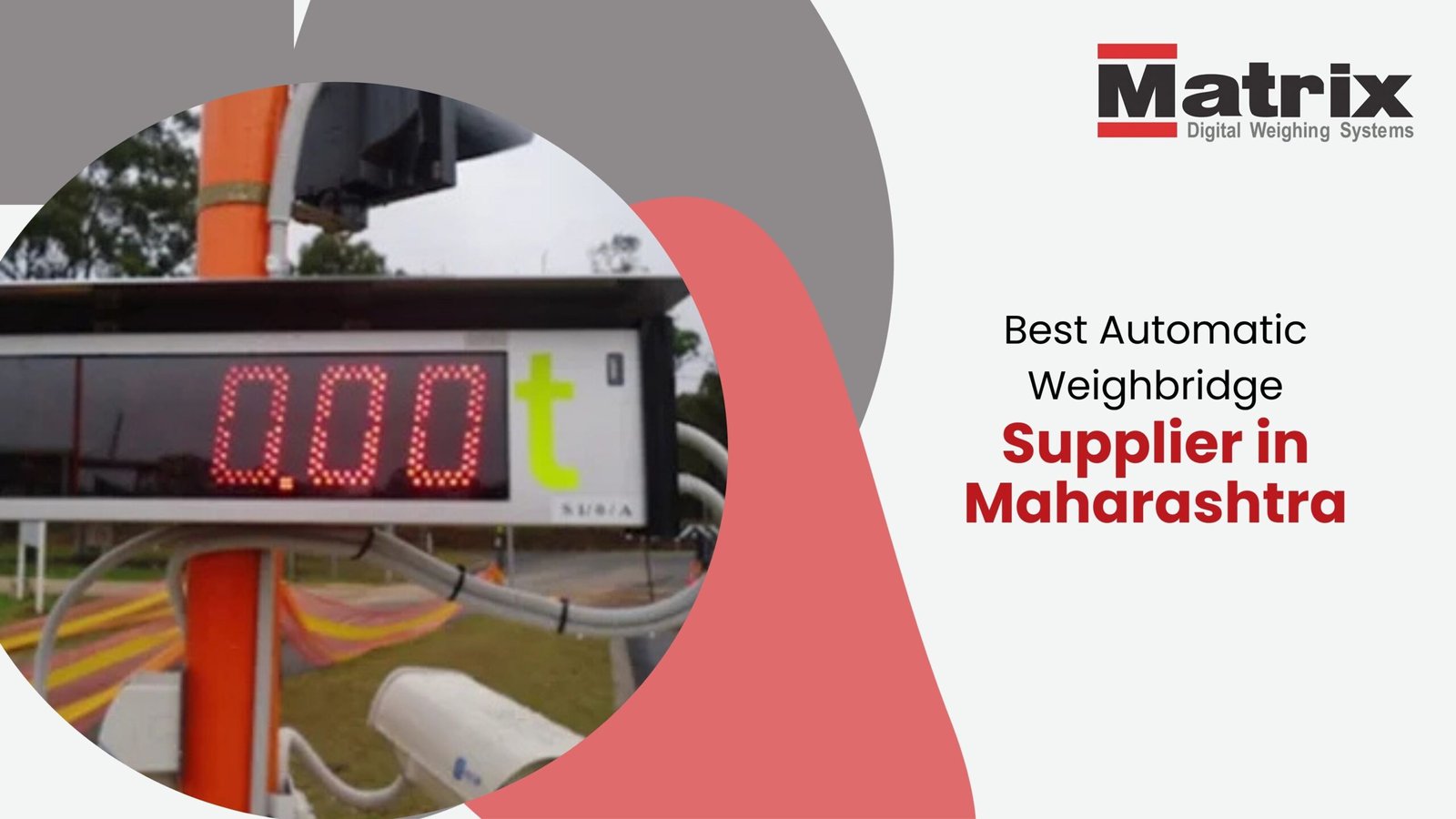
Automatic weighbridges eliminate manual intervention in the weighing cycle. RFID readers identify vehicles as they approach. Boom barriers control access. Cameras capture images automatically. Software records everything without operator input.
True automation means zero paperwork and complete traceability. Semi-automatic systems still require manual data entry at some stage—that’s not automation, it’s just computerized manual weighing.
Core Automation Components
- Vehicle Identification: RFID tags or barcode scanners trigger the weighing sequence when vehicles enter the platform. The system pulls vehicle details from the database automatically.
- Traffic Control: Boom barriers and traffic lights guide vehicles through the weighing process. This prevents multiple vehicles on the platform and ensures proper positioning.
- Data Capture: Load cells measure weight while cameras photograph the vehicle from multiple angles. Software timestamps everything and generates transaction records instantly.
Maharashtra-Specific Applications
Industrial Clusters
Pune, Aurangabad, Nashik, and Nagpur host concentrated manufacturing activity. Peak shift changes create weighbridge bottlenecks. Automation handles surge volumes without adding operators.
Steel plants, cement factories, and chemical manufacturers process hundreds of weighbridge transactions daily. Manual systems can’t sustain this throughput accurately.
Port and Logistics Operations
JNPT and other Maharashtra ports move massive container volumes. Weighbridges integrated with port management systems speed up cargo handling while maintaining accurate weight records for shipping documentation.
Agricultural Hubs
Sugar belt regions see seasonal spikes during crushing season. Automatic weighbridges process farmer vehicles quickly while maintaining payment accuracy. This reduces queue times from hours to minutes during peak harvest.
Types and Configuration Choices
Pit vs Pitless: Pit-mounted weighbridges sit flush with ground level for easy vehicle access. Pitless versions mount on surface foundation when excavation isn’t feasible. Maharashtra’s varied geology affects which works better at your site.
Modular vs Conventional: Modular systems install in two to three days. Conventional concrete builds take two weeks minimum. Monsoon timing affects construction schedules—modular systems avoid weather delays.
Capacity Planning: Most buyers underestimate future weight requirements. Spec 20% above your current heaviest load. Upgrading later costs more than sizing correctly initially.
What Defines the Best Supplier
Manufacturing Quality
Steel deck thickness below 6mm fails prematurely under heavy use. Quality suppliers use 8-10mm plates with reinforced ribs. Epoxy coating prevents rust better than standard paint in Maharashtra’s humid coastal climate.
Load cell quality determines accuracy longevity. Precision-grade cells with hermetic sealing maintain calibration despite temperature variations and moisture exposure.
Software Capabilities
Your weighbridge software should integrate with existing ERP systems without custom coding. Look for native support for common platforms rather than promises of “future integration.”
Multi-site dashboards matter if you operate multiple facilities. Centralized reporting prevents data fragmentation across locations.
Service Infrastructure
A supplier based only in Mumbai can’t service Nagpur facilities quickly. Verify actual service center locations, not just “authorized service partner” claims. Response time during breakdowns directly affects your operational losses.
Spare parts availability determines repair duration. Suppliers who stock consumables locally restart operations faster than ones who order components from other states.
Compliance Requirements
Legal Metrology certification isn’t optional for commercial transactions in Maharashtra. Your supplier should handle stamping coordination with the Weights & Measures department.
Periodic verification happens annually for trade weighing. Suppliers who provide calibration services simplify compliance. Do-it-yourself calibration creates headaches during inspections.
Installation and Project Execution
Site Survey Importance
Foundation failures cause 60% of weighbridge accuracy problems. Soil bearing capacity determines foundation depth and reinforcement requirements. Suppliers who skip soil testing create problems you’ll inherit.
Drainage planning prevents water accumulation in pit-type installations. Maharashtra’s monsoon intensity makes this critical—standing water damages load cells and corrodes structural components.
Timeline Reality
Standard installations need 10-15 days from site preparation to commissioning. Rushed installations skip critical steps. Suppliers promising unrealistic timelines compromise on foundation curing or testing procedures.
Comparing Supplier Proposals
Price differences above 30% between quotes signal specification gaps. Lower quotes often exclude automation components, software licenses, or stamping support.
What Should Be Itemized:
- Platform structure with exact steel specifications
- Load cell brand, model, and quantity
- Automation hardware (RFID, cameras, barriers)
- Software licensing (perpetual vs annual)
- Civil foundation scope and materials
- Calibration and stamping charges
- Training and documentation
Vague quotes like “complete automatic weighbridge system” hide what’s actually included. Demand detailed breakdowns before comparing prices.
After-Sales Service Commitments
Annual Maintenance Contracts should specify calibration frequency, preventive maintenance schedules, and response time guarantees. Generic AMC terms without measurable commitments are worthless.
Remote diagnostics reduce service visit requirements for software issues. Suppliers offering this capability resolve problems faster than ones requiring onsite visits for every issue.
FAQs
Q: How do I verify a supplier’s Maharashtra service network?
A: Request specific addresses and contact details for service centers in your region. Call those numbers directly to confirm they’re staffed and operational. Don’t accept vague assurances about “pan-India presence.”
Q: What’s the realistic lifespan of an automatic weighbridge in industrial use?
A: Quality systems last 15-20 years with proper maintenance. The automation components (RFID readers, cameras) need replacement every 5-7 years. Budget for technology upgrades during the weighbridge’s operational life.
Q: Can I relocate an automatic weighbridge to a different facility later?
A: Modular weighbridges relocate completely. You’ll need new foundation work and recalibration at the new site. Conventional concrete structures can’t be moved. Consider relocation possibility when choosing initial configuration.
Q: What causes weighbridge accuracy to drift over time?
A: Overloading damages load cells permanently. Water intrusion corrodes connections. Foundation settlement creates uneven stress distribution. Regular calibration catches drift early before it affects transaction accuracy significantly.
Q: How quickly can suppliers respond to breakdown calls in Maharashtra?
A: Local suppliers with stocked spares typically respond within 24 hours. Those dependent on parts from other regions need 3-5 days. This difference costs you production time during breakdowns.
Conclusion
Supplier selection determines whether your automatic weighbridge delivers reliable service or becomes a maintenance burden. Evaluate manufacturing quality, service infrastructure proximity, and compliance support rather than initial price alone. Verify technical specifications in detail and confirm local service capabilities before committing.
Matrix Weighbridge manufactures automatic weighbridge systems engineered for Maharashtra’s diverse industrial applications. Our installations across Pune, Aurangabad, Nashik, and Mumbai combine precision weighing with comprehensive automation and local service support that keeps your operations running.
Ready to specify an automatic weighbridge that matches your operational requirements? Visit matrixweighbridge.com to review our automation solutions, request technical specifications, or schedule a site assessment from our Maharashtra service team today.