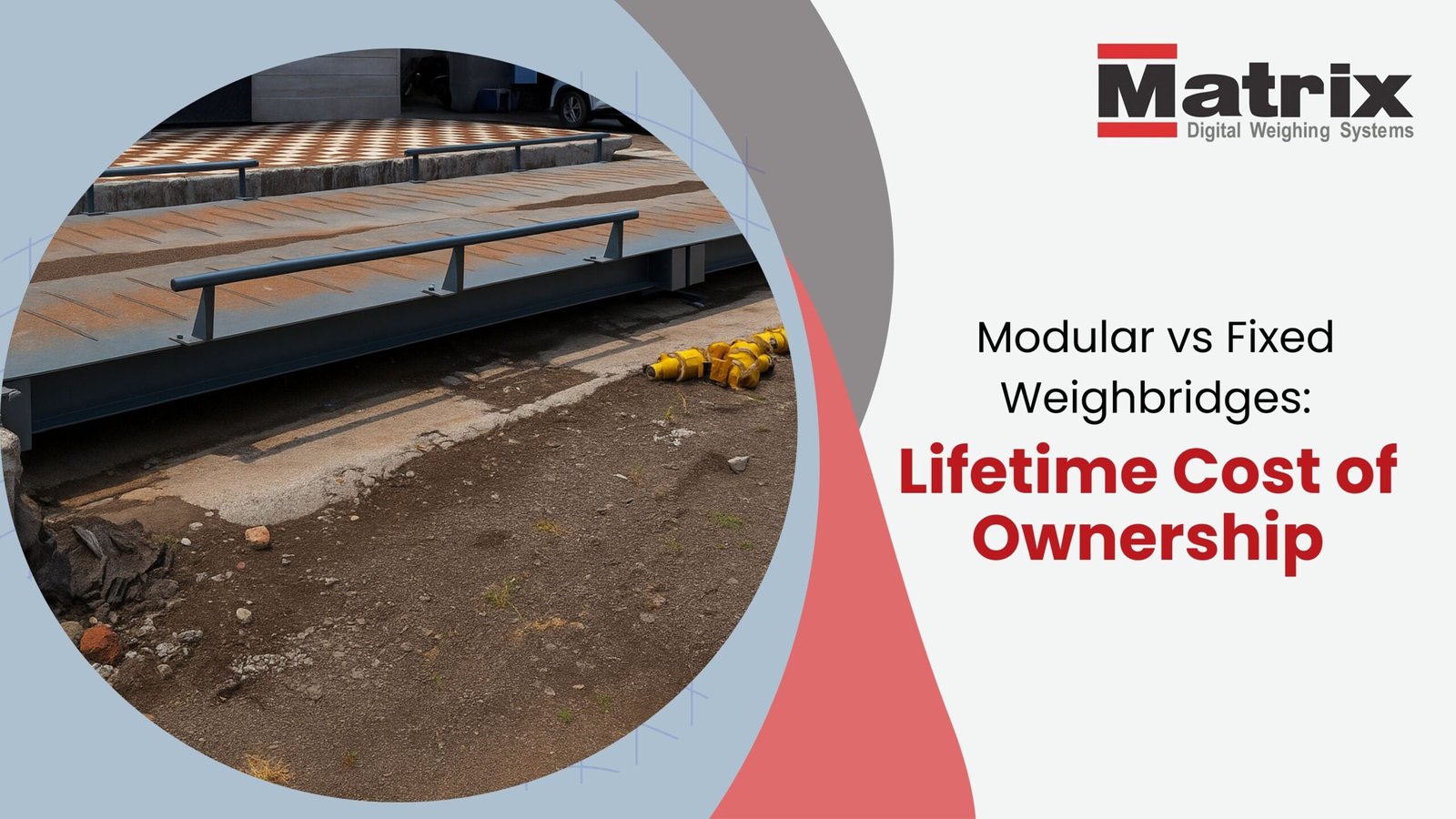
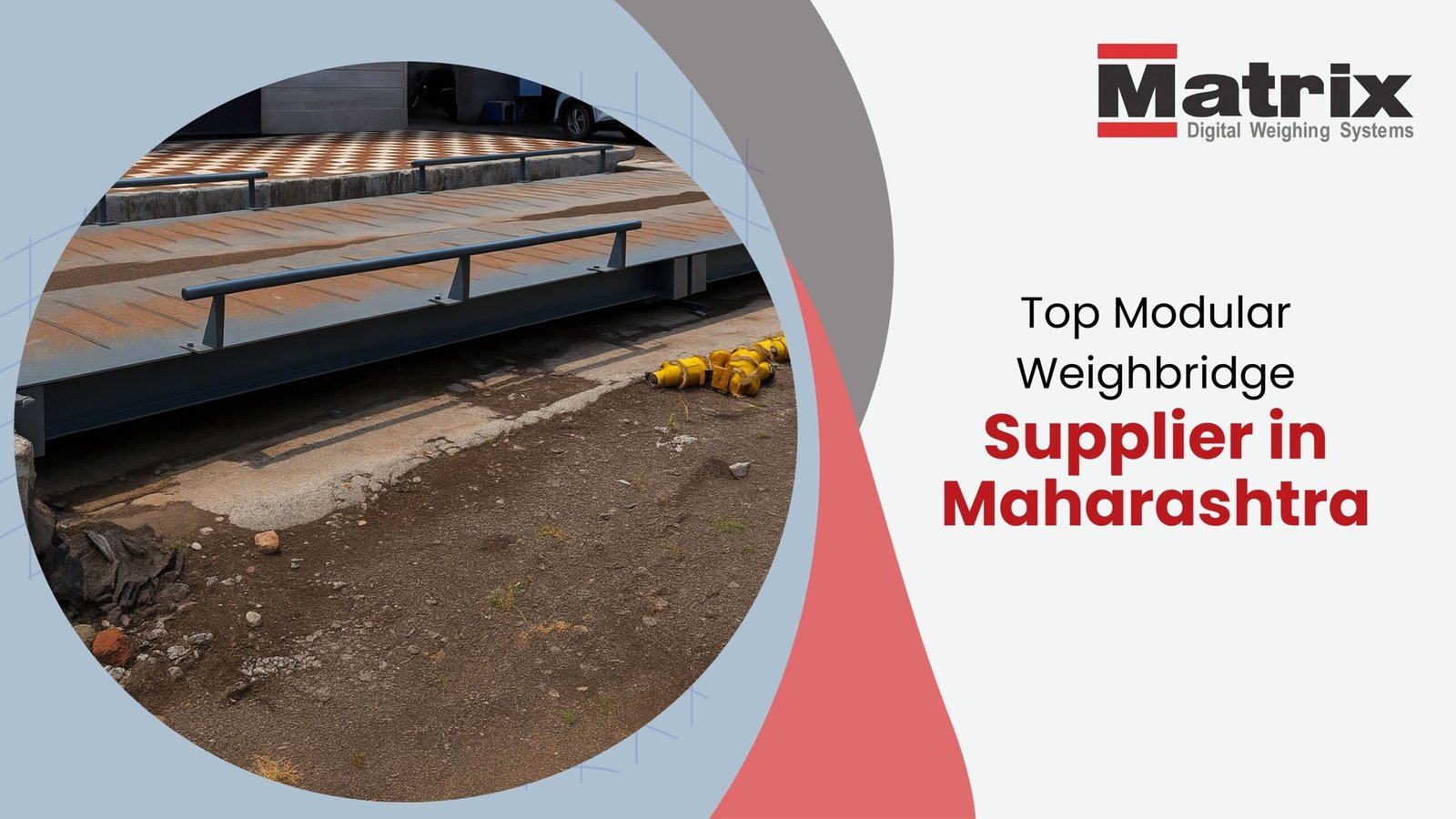
Top Modular Weighbridge Supplier in Maharashtra
Introduction
Finding a reliable modular weighbridge supplier in Maharashtra means sorting through dozens of vendors who promise fast delivery, competitive pricing, and lifetime support. Most buyers discover the gaps only after installation—delayed commissioning, inaccurate readings, monsoon damage, and vanishing technicians when problems surface. The difference between a top supplier and an average one shows up in site assessment rigor, installation discipline, component quality, and post-sale response times. This guide reveals what Maharashtra’s industrial buyers actually need—capacity selection, monsoon readiness, service coverage, installation quality checks, and the questions that separate capable suppliers from order-takers.
What Modular Weighbridges Are and Why They Matter in Maharashtra?
Sectional Construction for Speed and Flexibility
Modular weighbridges consist of prefabricated steel sections—typically 3 to 6 meters each—that bolt together on-site. This sectional design allows transport on standard trucks without heavy-haul permits and cuts installation time to 4-7 days versus 2-4 weeks for traditional welded platforms.
Maharashtra’s industrial clusters—Mumbai port logistics, Pune manufacturing belt, Nashik MIDC zones, and Nagpur transport hubs—benefit from this speed. Operations resume faster, and the modular design relocates when facilities expand or shift locations.
Common Modular Types in the Market
U-type (orthotropic) modular designs use channel-section steel frames with top plates, creating lightweight yet load-bearing structures. Standard modular platforms handle 30 to 120 tonnes gross vehicle weight across lengths from 6 to 25 meters.
Why Buyers Search for Suppliers Not Just Manufacturers
Stock Availability Versus Production Lead Times
Here’s the uncomfortable truth: most “manufacturers” don’t stock finished weighbridges. They fabricate after order confirmation, creating 3-6 week lead times before delivery.
Top suppliers maintain inventory of common configurations—18-meter 60-tonne platforms, standard load cells, and digital indicators. Stock availability cuts project timelines by weeks, which matters when operations can’t wait.
Service Coverage Across Maharashtra’s Industrial Belt
Maharashtra spans 800+ kilometers from Mumbai to Nagpur. A supplier’s service reach determines response times when calibration drifts, load cells fail, or junction boxes flood during monsoons.
Suppliers with technicians stationed across Mumbai–Pune–Nashik–Nagpur clusters respond within 24-48 hours. Those operating from single locations take 4-7 days, extending downtime and revenue loss.
What to Check Before Choosing a Supplier
Site Evaluation Requirements
Soil bearing capacity, water table levels, and drainage slopes affect foundation design. Suppliers who skip site visits deliver generic foundation drawings that fail under actual conditions.
Request a physical site assessment covering:
- Soil compaction and load-bearing capacity
- Surface water drainage and monsoon runoff patterns
- Vehicle approach angles and turning radius clearance
- Power supply stability and earthing arrangements
Capacity and Size Selection Factors
Match weighbridge capacity to your heaviest loaded vehicle, not average traffic. A facility handling 55-tonne trucks needs an 80-tonne weighbridge to accommodate future vehicle upgrades and overload margins.
Platform length must exceed your longest vehicle by at least 20%. An 18-meter weighbridge suits 15-meter truck-trailer combinations but fails when 18-meter multi-axle vehicles enter your yard.
The Top Selection Criteria That Actually Matter
Product Engineering and Build Quality
Steel thickness determines platform longevity under continuous heavy loads. Quality modular platforms use 8-10mm top plates with 6-8mm side frames, creating structures that resist deflection and fatigue cracking.
Surface protection systems—hot-dip galvanizing or multi-coat epoxy painting—prevent corrosion in Maharashtra’s humid coastal zones and monsoon-heavy interior regions. Unprotected steel corrodes within 3-5 years, requiring expensive replacement.
Load Cell System Integration
Environmental sealing matters more than sensor accuracy specifications. IP67-rated load cells with moisture-resistant junction boxes survive Maharashtra’s monsoon seasons. Lower-grade sealing allows water infiltration that corrodes connections and creates measurement drift.
Cable routing through PVC conduit buried 500mm below surface protects wiring from physical damage and moisture. Exposed cables fail within months from vehicle traffic and weather exposure.
Installation Discipline and Quality Standards
Foundation tolerances of 5mm determine long-term accuracy. General contractors lack the precision equipment and expertise to achieve weighbridge-grade tolerances. Specialized installation teams use laser leveling and digital theodolites to meet these specifications.
Ramp construction with correct gradients (typically 1:10 to 1:12) prevents traction problems and vehicle damage. Steeper ramps cause drive axles to slip and trailers to scrape during entry.
After-Sales Support Structure
Annual Maintenance Contracts should specify response times, not just service “availability.” Look for commitments like “24-hour response for breakdown, 7-day parts delivery” rather than vague “support as needed” clauses.
Spare parts availability determines repair speed. Suppliers stocking load cells, junction boxes, and indicators locally fix problems in days. Those ordering from distant factories take weeks.
Common Buyer Mistakes in Maharashtra
Choosing Based on Lowest Quote
The cheapest quote often excludes critical items—civil work coordination, drainage slope design, cable conduit installation, or commissioning calibration. These “extras” emerge as invoices after work begins, inflating final costs 15-25% above initial quotes.
Request itemized quotes specifying foundation design, ramp construction, electrical protection, calibration procedures, and warranty coverage.
Ignoring Monsoon Planning
Maharashtra receives 200-400mm monthly rainfall during monsoon months. Weighbridges without proper drainage slope, elevated junction boxes, and waterproof cable entries flood and fail.
Insist on drainage slope calculations, raised junction box placement (minimum 300mm above ground), and IP67-rated electrical components during design phase.
Overlooking Traffic Flow Design
Queue management affects weighing efficiency more than platform capacity. Facilities handling 50+ vehicles daily need dedicated entry lanes, waiting zones, and exit routes that prevent bottlenecks.
The surprising reality: a well-designed 60-tonne weighbridge with proper traffic flow outperforms a poorly planned 80-tonne system handling the same vehicle count.
Questions to Ask Any Supplier
Commercial and Delivery
- What’s your delivery timeline, and what site readiness does it assume?
- Does warranty cover calibration drift, foundation settlement, and monsoon damage?
- What triggers warranty exclusions?
Technical and Installation
- Who provides foundation drawings, and what tolerances do they specify?
- Do you conduct site assessment before quoting, or use standard designs?
- What’s the commissioning checklist, and what defines “acceptance”?
Support
- Where are your service technicians located in Maharashtra?
- What’s your committed response time for breakdowns?
- Do you stock spare parts locally, or order them on demand?
Service Coverage Expectations in Maharashtra
Top suppliers operate service networks across Maharashtra’s industrial corridors—Mumbai metropolitan region, Pune-Pimpri-Chinchwad belt, Nashik industrial zones, Aurangabad manufacturing hub, and Nagpur transport center.
This coverage enables quarterly preventive maintenance visits, rapid breakdown response, and on-site calibration verification without multi-day travel delays.
Frequently Asked Questions
Q: How long does modular weighbridge installation actually take in Maharashtra?
A: Installation takes 4-7 days after foundation curing completes. The foundation itself requires 21-28 days to reach full strength. Total project duration runs 5-6 weeks from order to commissioning, assuming site readiness.
Q: What capacity should I choose for mixed truck traffic?
A: Select capacity 30-40% above your heaviest loaded vehicle. If 55-tonne trucks represent peak loads, install an 80-tonne weighbridge. This margin accommodates future vehicle upgrades and prevents overload damage.
Q: Do all suppliers offer installation, or is it separate?
A: Many suppliers quote FOB (Free on Board), delivering weighbridges to your site without installation. Turnkey suppliers handle foundation design, installation, calibration, and commissioning as a complete package. Clarify this before ordering.
Q: How critical is monsoon-specific design in Maharashtra?
A: Critical. Standard weighbridges without elevated junction boxes, drainage slopes, and waterproof cable entries fail during monsoon seasons. Repairs during rains prove difficult and expensive. Insist on monsoon-ready specifications upfront.
Q: What maintenance frequency do modular weighbridges need?
A: Quarterly visual inspections, semi-annual calibration checks, and annual comprehensive servicing keep modular weighbridges accurate. Monsoon-heavy regions benefit from post-monsoon inspection and cleaning cycles.
Conclusion
Top suppliers distinguish themselves through site assessment discipline, quality component selection, installation precision, and responsive after-sales support. Evaluate suppliers on these criteria rather than price alone. Verify their service coverage, ask for customer references in your region, and insist on detailed technical specifications before committing.
Contact us today for a site assessment and customized modular weighbridge solution for your Maharashtra facility.
Matrix Weighbridge delivers complete modular weighbridge solutions across Maharashtra—from Mumbai’s port logistics to Nagpur’s transport hubs. We conduct physical site assessments covering soil conditions, drainage requirements, and traffic flow patterns before designing your system. Our modular platforms use high-tensile steel construction with monsoon-ready electrical protection, precision-installed foundations meeting 5mm tolerances, and load cell systems calibrated to OIML Class III standards. We maintain service teams across Maharashtra’s industrial belt for 24-48 hour breakdown response and stock critical spare parts locally to minimize downtime. Every installation includes foundation design, civil work coordination, ramp construction, comprehensive commissioning, operator training, and ongoing calibration support. Visit matrixweighbridge.com or call us to discuss your exact requirements—vehicle types, daily traffic volume, site constraints, and timeline—for a detailed technical proposal and quotation.