Rapid Pitless & Modular Weighbridge Solutions for SMEs
Introduction
Small and medium enterprises postpone weighbridge investments because traditional pit installations demand 2-3 months for civil work, consume budgets exceeding ₹10 lakhs including foundation costs, and create operational disruptions that halt material movement during construction. Pitless and modular weighbridge systems eliminate these barriers by installing in 2-4 days on existing hard surfaces, reducing total project costs by 40-50%, and allowing future relocation when businesses expand or change locations. This guide explains how rapid-deployment weighbridge technology works, which configurations suit SME operations, and what site conditions enable fast installation without compromising accuracy or compliance.
Understanding Pitless and Modular Designs
Pitless Weighbridges
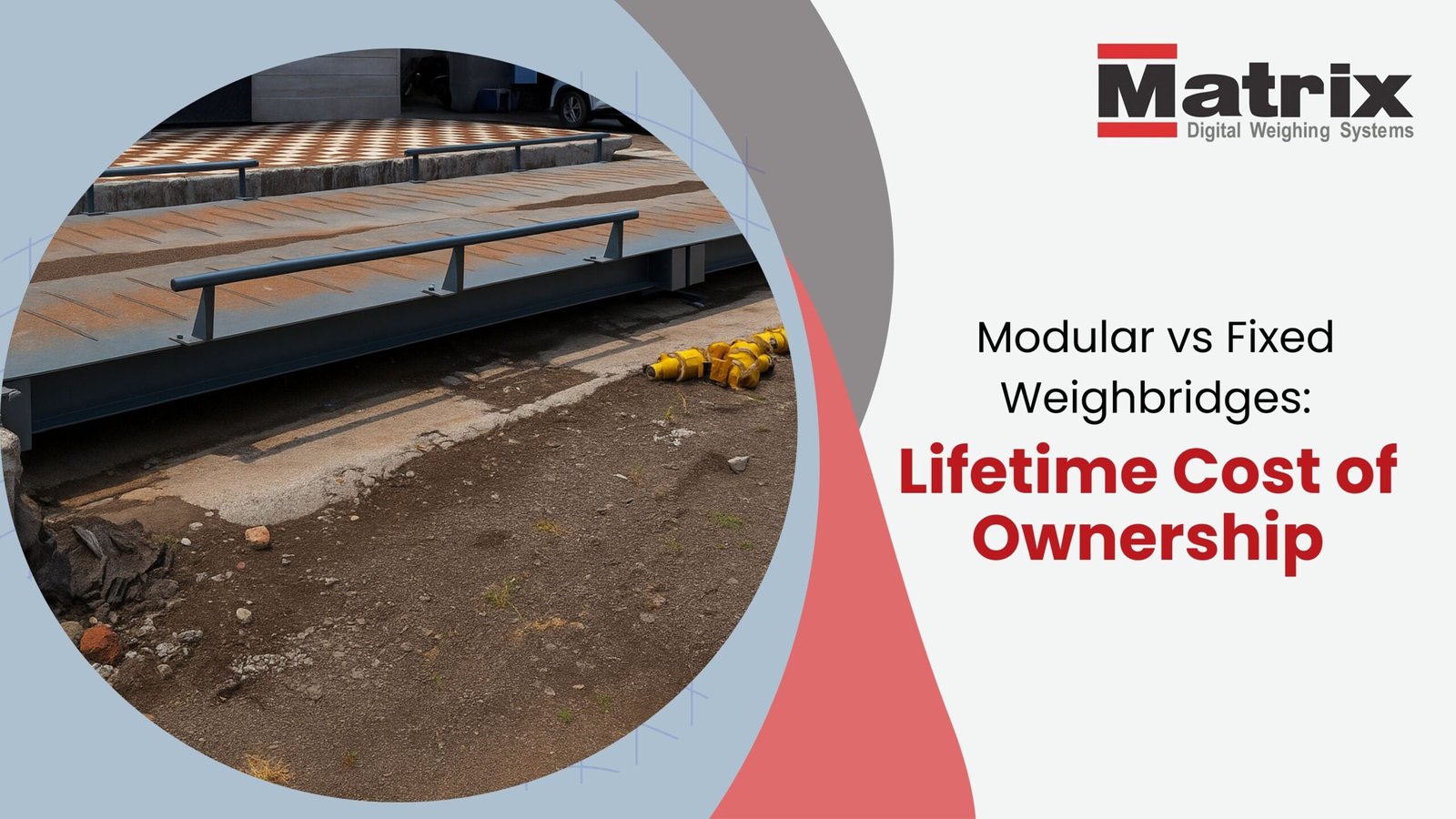
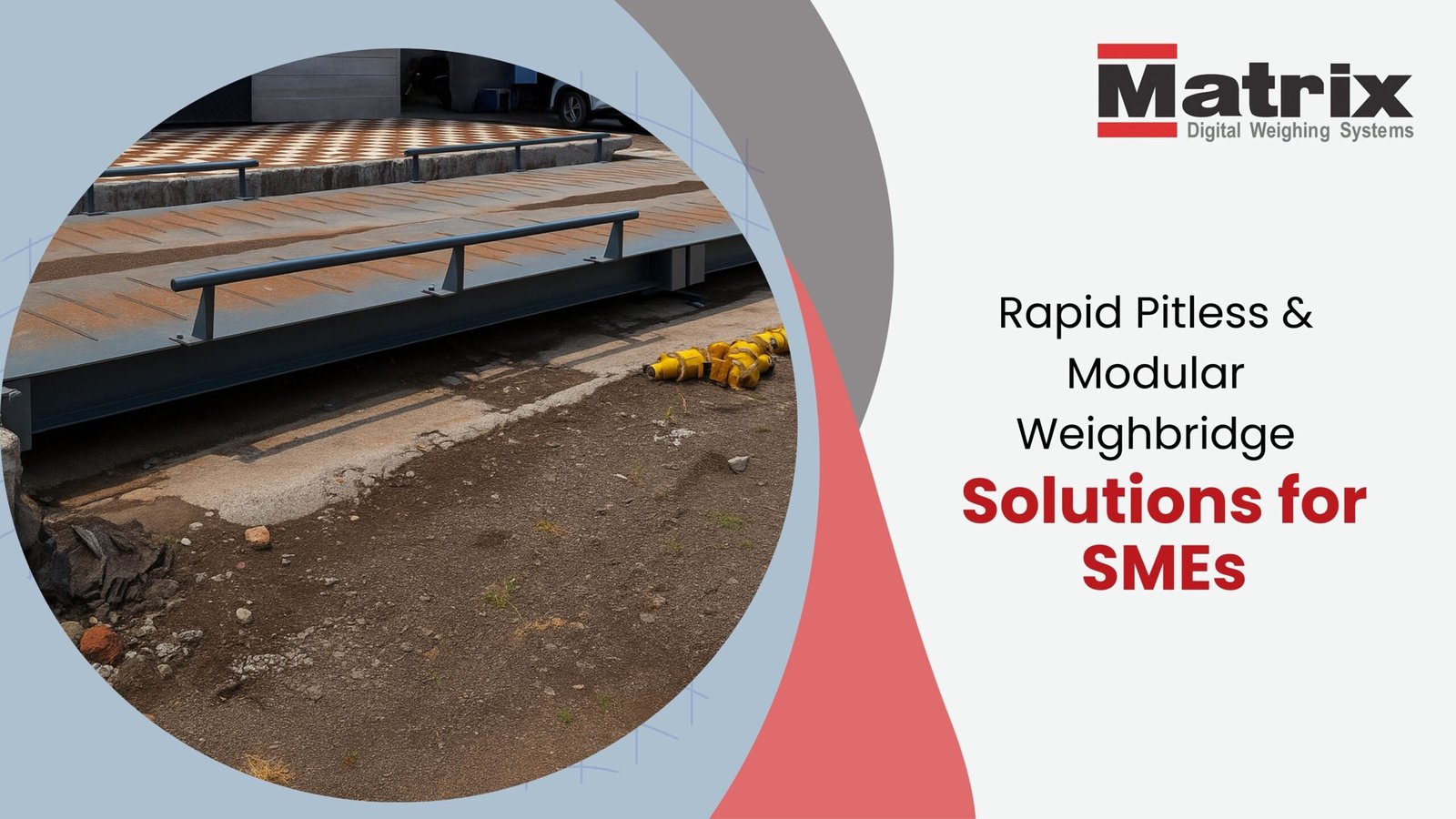
Pitless weighbridges mount above ground level on surface foundations, eliminating excavation requirements. Vehicles drive up steel or concrete approach ramps onto the weighing platform, then descend on the opposite side. The entire structure sits on a raft foundation or hard-packed surface rather than underground pits.
This above-ground design exposes all components including load cells and structural beams for easy inspection. Maintenance teams access every part without entering confined spaces or pumping water from flooded pits.
Modular Weighbridges
Modular systems use prefabricated sections that bolt together on-site. Each module arrives complete with load cell mounting points and structural reinforcement. Installation teams position modules, bolt them together, connect load cells, and calibrate—completing the entire process in hours rather than weeks.
The sectional design enables transportation to remote sites, disassembly for relocation, and capacity expansion by adding modules. Capacities range from 30 to 120 metric tons with platform lengths adjustable from 6 to 24 meters.
Installation Speed Advantages
Traditional pit weighbridges require excavation, drainage installation, concrete pouring, curing, and platform placement over 8-12 weeks. Civil work alone consumes ₹4-6 lakhs before equipment installation begins.
Modular pitless systems install on prepared hard surfaces in 2-4 hours for small platforms and 1-2 days for larger configurations. The key requirement: a level compacted surface with adequate load-bearing capacity. Existing concrete yards, asphalt paving, or properly prepared gravel beds all work.
One surprising pattern emerges from SME installations: businesses planning “temporary” weighbridge deployment rarely remove them. The rapid installation and modest investment make permanent operation economically rational even when initial plans anticipated relocation.
Cost Structure for SME Budgets
Reduced Initial Investment
Pitless modular weighbridges cost 30-40% less than equivalent pit installations when including civil work. The savings come from eliminated excavation, minimal foundation requirements, and reduced installation labor.
Foundation costs drop from ₹4-6 lakhs for pit systems to ₹50,000-1.5 lakhs for surface preparation on existing yards. Many SMEs discover their current paved areas already meet load-bearing requirements after simple soil verification tests.
Protected Capital Investment
Relocation capability preserves equipment value when SMEs change facilities, expand operations, or repurpose weighbridges for different sites. Modular systems disassemble into transportable sections that reinstall at new locations within days.
This flexibility matters because SME operations change faster than enterprise facilities. Growing businesses that outgrow current yards can take their weighbridge investment with them rather than abandoning expensive pit installations.
Maintenance and Operational Benefits
Simplified Access
Above-ground component placement makes inspection and repair straightforward. Technicians check load cell condition, verify cable integrity, and clean debris without descending into pits or managing water pumping systems.
Monsoon season creates minimal disruption since pitless designs avoid the water accumulation problems that disable pit weighbridges. Load cells mount on elevated platforms above ground level, naturally protected from flooding.
Reduced Ongoing Costs
Pitless systems eliminate drainage pump maintenance, pit cleaning labor, and waterproofing repairs that consume 40-60% more annual budget than surface-mounted alternatives. SMEs with limited maintenance staff appreciate the simpler upkeep routines that don’t require specialized confined-space equipment or training
Scalability for Growing Businesses
Modular Expansion
SMEs starting with 30-ton capacity for light commercial vehicles can add modules later to accommodate heavier trucks as operations scale. The modular architecture supports incremental investment matching business growth rather than over-buying initial capacity.
Platform length extends by bolting additional sections between existing modules. Weight capacity increases by upgrading load cells and adding structural support—modifications requiring days instead of the months needed to expand pit installations.
Temporary and Seasonal Applications
Construction SMEs use modular weighbridges at project sites for material tracking, then relocate equipment when projects complete. Agricultural businesses deploy weighbridges during harvest seasons and store systems during off-seasons.
This operational flexibility transforms weighbridges from fixed infrastructure into portable assets that follow revenue opportunities.
Digital Integration Options
Modern pitless modular weighbridges support the same automation and integration features as permanent pit installations. Digital load cells connect to computerized indicators, generate printed tickets, and integrate with basic inventory management software.
SMEs can start with manual operations using simple weight displays, then add RFID vehicle identification, automated barriers, and ERP integration as operational sophistication increases. The weighbridge hardware remains constant while software capabilities scale with business needs.
Site Requirements and Selection
Surface Preparation
Adequate load-bearing capacity—typically 2-3 kg/cm² for soil beneath the installation area—prevents settling that throws calibration off. Simple soil testing confirms suitability. Compacted gravel, concrete, or asphalt surfaces all work with minimal preparation.
Level the installation area within 1:500 slope tolerance. Excessive grade creates uneven load distribution that affects measurement accuracy. Most industrial yards already meet this requirement.
Space Planning
Calculate total footprint including approach ramps extending 3-5 meters beyond platform ends. A standard 18-meter weighbridge requires approximately 24-28 meters of total approach length. Width demands remain modest at 3-4 meters including guide rails.
Verify clearance for vehicles to maneuver onto the platform without sharp turns that damage ramps or create positioning errors during weighing.
Common Questions
Q: Can modular weighbridges achieve the same accuracy as permanent pit installations?
A: Yes. Modular systems meet OIML Class III accuracy standards and legal metrology certification requirements. Accuracy depends on load cell quality and calibration rather than installation type.
Q: How many times can modular weighbridges be relocated?
A: Quality modular systems tolerate 5-10 relocations before structural fatigue requires replacement. Proper disassembly and reassembly procedures prevent damage during moves.
Q: Do pitless weighbridges work in areas with heavy monsoon rainfall?
A: Yes. The elevated design actually performs better during monsoons than pit installations prone to flooding. Ensure proper drainage for surface runoff around the installation area.
Q: What ongoing maintenance do modular pitless weighbridges require?
A: Quarterly calibration verification, monthly cleaning, and annual structural inspection. Total maintenance requirements run 40-50% lower than pit equivalents due to eliminated drainage management.
Conclusion
Rapid pitless and modular weighbridge solutions remove the cost, time, and disruption barriers that prevent SMEs from implementing accurate weighing systems. Request site assessments to verify your facility’s readiness for fast installation and confirm which modular configuration matches your vehicle types and future growth plans.
Matrix Weighbridge specializes in rapid-deployment pitless and modular weighbridge solutions engineered specifically for SME constraints. We assess your existing yard conditions, recommend right-sized configurations that match current needs with expansion capability, and complete installations in days rather than months.
Visit matrixweighbridge.com to request a rapid-install feasibility assessment for your site, or call to discuss modular configurations that scale with your SME’s growth trajectory.