Smart Weighbridge: Data Logging, Monitoring & Automation
Introduction
Manual weighbridge operations leak revenue through data entry errors, operator manipulation, partial weighing fraud, and disputes over recorded weights. A truck weighs 42.3 tonnes, but the handwritten slip says 40.8—did the operator make a mistake, or did someone pocket the difference? Smart weighbridges eliminate these gaps by capturing weight data directly from load cells, logging every transaction with timestamps and camera evidence, monitoring operations in real time through dashboards, and automating vehicle identification and gate control to remove human touchpoints entirely.
This guide breaks down the three layers that transform basic weighbridges into control points: data logging for clean records, monitoring for live visibility, and automation for unmanned operations.
What Smart Weighbridges Are
A smart weighbridge connects weighing hardware—platform, load cells, and indicator—to software systems that capture, validate, and route weight data automatically. The “smart” layer sits between the physical scale and your business systems, handling data flow without manual intervention.
This architecture has four functional layers: weighing hardware that measures vehicle weight, automation hardware (RFID readers, cameras, barriers) that identifies and controls traffic, integration middleware that connects to ERP or inventory systems, and reporting dashboards that visualize operations.
Data Logging: Capturing Clean Weight Records
Automatic Data Capture from Load Cells
Direct digital connection from weighing indicators to software eliminates manual data entry. The indicator sends weight readings via RS232, Ethernet, or IoT gateway the moment a vehicle settles on the platform.
Operators can’t modify these readings. The uncomfortable truth: manual weighbridge operations lose 3-8% of material value to keying errors, rounding manipulation, and outright fraud. Direct capture closes this gap entirely.
Structured Transaction Records
Every weighment generates a permanent record containing vehicle identification, timestamp, material type, gross and tare weights, net weight, operator ID, and transaction status. These records build auditable databases supporting daily summaries, monthly reconciliations, and annual compliance reports.
The system tags inbound versus outbound movements automatically, calculates net weights, and flags exceptions like overweight loads or repeated weighing attempts without valid reasons.
Role-Based Access Control
Software enforces user permissions by role—operators capture weights, supervisors override exceptions, and administrators modify system settings. Audit trails log every action with user identity and timestamp, making unauthorized changes visible immediately.
Real-Time Monitoring and Visual Verification
Live Dashboards and Exception Alerts
Central monitoring screens show current weighments, queue lengths, average processing time, and daily throughput. Supervisors spot bottlenecks, unusual patterns, or equipment problems without visiting the weighbridge physically.
Alert systems notify supervisors when vehicles exceed capacity limits, when the same vehicle weighs multiple times within short intervals, or when weight differences between empty and loaded measurements fall outside expected ranges.
Camera Integration and Image Evidence
CCTV cameras capture vehicle images when empty (tare) and loaded (gross), linking photos to each transaction record. License plate recognition systems automatically read and log registration numbers, preventing identity swapping where one vehicle’s tare weight applies to a different vehicle’s loaded weight.
Image evidence resolves disputes instantly. When customers challenge recorded weights, timestamped photos showing the vehicle on the platform settle arguments without lengthy investigations.
Automation: From Semi-Manual to Unmanned Operations
Vehicle Identification and Access Control
RFID tags mounted on windshields or smart cards carried by drivers identify vehicles automatically when they approach the weighbridge. The system retrieves vehicle details—registration, tare weight, material authorization—without drivers presenting paperwork.
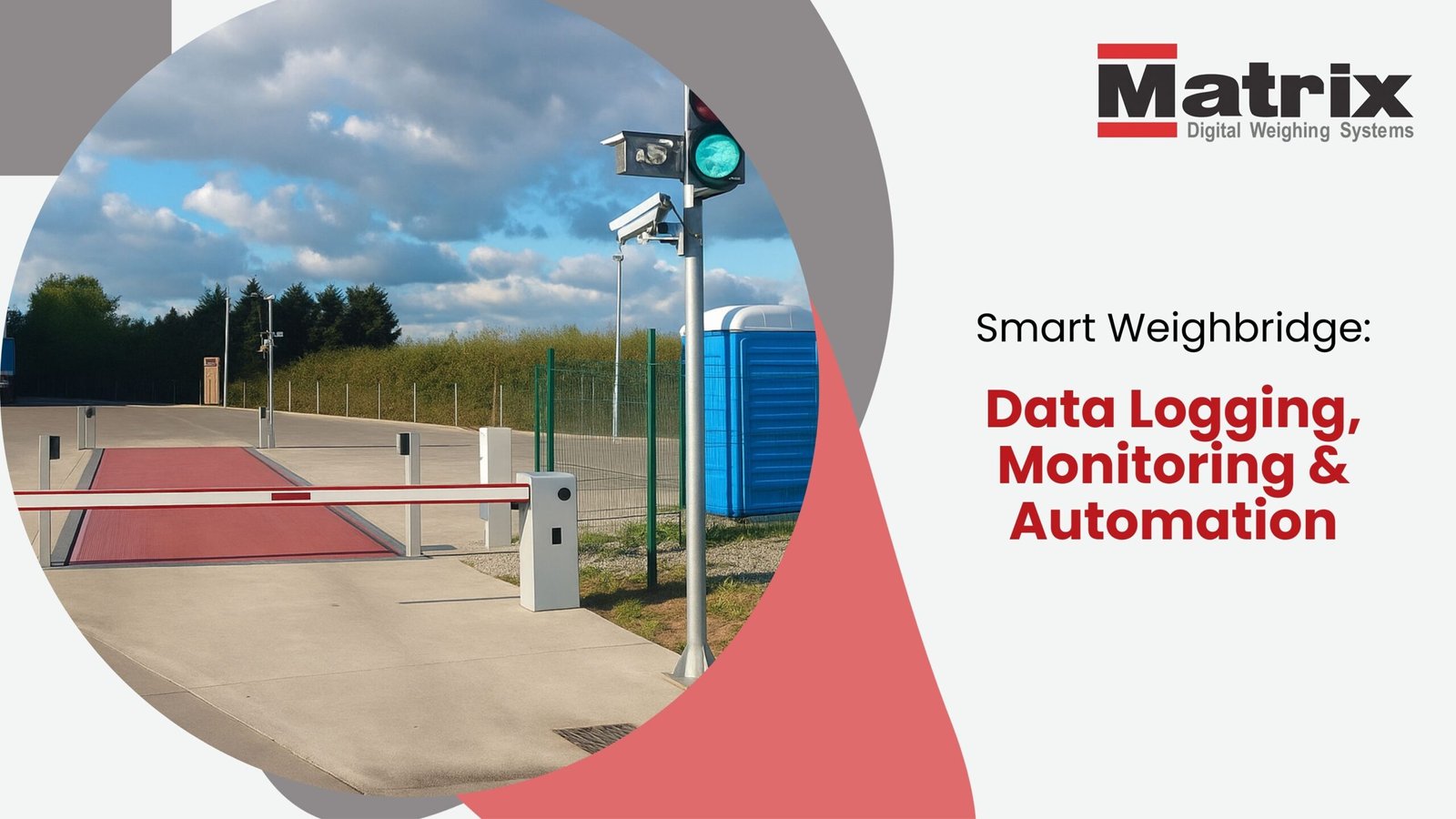
Boom barriers and traffic lights controlled by the automation system prevent unauthorized vehicles from entering, ensure only one vehicle occupies the platform at a time, and guide traffic flow through weighing zones.
Driver Self-Service and Guidance
LED displays and voice prompts instruct drivers through the weighing process without operator assistance. “Drive onto platform,” “Stop vehicle,” “Wait for reading,” “Proceed forward”—the system guides drivers step by step.
Kiosks at entry and exit points allow drivers to scan RFID cards, confirm material type, and collect printed weight tickets or receive digital receipts via SMS or app. Operators monitor remotely, intervening only when exceptions occur.
Fully Unmanned Weighbridge Flow
A central controller orchestrates all components—RFID readers, cameras, barriers, indicators, sensors, and displays—creating continuous unmanned operation. Vehicles enter, identify themselves, weigh, receive tickets, and exit without human interaction.
The surprising reality: unmanned weighbridges process vehicles 40-50% faster than manual operations because they eliminate operator delays, reduce queue wait times, and operate continuously including nights and weekends.
Integration with ERP and Business Systems
Direct Connection to Core Systems
Smart weighbridge software connects directly to ERP platforms like SAP, Oracle, Microsoft Dynamics, or Tally via APIs. Weight data flows into inventory management, procurement, dispatch, and billing modules automatically.
This integration eliminates duplicate data entry. When a supplier delivers raw materials, the weighbridge transaction updates inventory levels, generates goods receipt notes, and triggers three-way matching for invoice processing—all without back-office re-keying.
Automated Business Events
Confirmed weights trigger downstream actions automatically. Outbound dispatch weighments create shipping documents, update customer order status, and initiate invoice generation. Inbound receipts update stock levels, notify quality control, and close purchase orders.
Analytics, Reporting, and Compliance
Standard and Exception Reports
Daily, weekly, and monthly summaries aggregate weighments by vehicle, material, supplier, customer, or time period. Exception reports highlight overweight incidents, repeated partial loads, vehicles weighing without authorization, or suspicious patterns suggesting manipulation.
Multi-Site Centralized Monitoring
Organizations operating multiple weighbridges view aggregated data from all sites on single dashboards. Management compares throughput, average dwell time, and utilization rates across locations, identifying best practices and problem facilities.
Security and Fraud Prevention
Tamper-Proof Data Capture
Direct digital transfer from load cells to software with no editable fields at the gate prevents operators from changing readings. Immutable transaction logs with timestamps and user IDs create audit trails showing who approved overrides or deleted records.
Physical Safeguards
Vehicle position sensors verify that trucks sit completely on the platform before allowing weight capture. Partial-on-platform fraud—where front or rear axles remain off the scale—becomes impossible when sensors detect incomplete vehicle positioning.
Access control and two-factor authentication restrict who can override capacity limits, approve out-of-range weights, or modify historical records.
When to Invest in Smart Weighbridge Systems
Invest in automation when you handle 50+ vehicles daily, operate multiple weighbridges across different sites, or experience frequent disputes over recorded weights. High-volume operations justify automation investment within 12-18 months through labor savings and reduced material leakage.
Start with basic data logging and monitoring, then add RFID and cameras, and finally move to fully unmanned operations as you validate each layer’s benefits. Phased implementation reduces risk and spreads investment over time.
Frequently Asked Questions
Q: What’s the difference between weighbridge software and ERP integration?
A: Weighbridge software manages weighing operations—capturing data, controlling automation hardware, and generating reports. ERP integration pushes that data into broader business systems for inventory, procurement, and billing. You need both for complete automation.
Q: Can existing weighbridges be upgraded to smart systems?
A: Yes. Most modern weighing indicators support digital output that software can capture. You add RFID readers, cameras, and automation hardware around the existing platform. Full upgrade including software typically costs 30-40% of new weighbridge investment.
Q: How long does smart weighbridge implementation take?
A: Basic data logging setup takes 2-3 days. Adding RFID, cameras, and barriers requires 1-2 weeks for hardware installation and software configuration. ERP integration timelines depend on your existing systems—3-6 weeks for standard platforms, longer for custom ERPs.
Q: Do unmanned weighbridges really reduce operating costs?
A: Yes. Eliminating one operator position saves ₹4-6 lakhs annually in salary and benefits. Add material leakage prevention (typically 3-5% of throughput value) and the ROI often reaches 18-24 months for high-volume facilities handling 100+ vehicles daily.
Q: What happens when the system fails or internet goes down?
A: Smart weighbridges operate in offline mode, storing transactions locally until connectivity restores. Operators can manually record weights using fallback procedures, with the system syncing data once systems recover.
Conclusion
Smart weighbridges transform basic weighing into operational control points by capturing tamper-proof data, providing real-time visibility, and automating vehicle flow through unmanned processes. The investment pays back through eliminated manual errors, prevented fraud, faster throughput, and seamless integration with business systems. Evaluate your daily vehicle volume, current leakage patterns, and ERP integration needs to determine which automation layers deliver the best returns.
Request a smart weighbridge consultation today to assess automation opportunities for your facility.
Matrix Weighbridge specializes in providing pitless weighbridge systems, offering both steel and concrete deck options specifically designed to withstand Indian operational environments. We carefully select the optimal deck material based on your site’s unique requirements, traffic volume, and desired operational lifespan.
Ready to specify the right deck material for your pitless weighbridge? Visit matrixweighbridge.com to review steel and concrete options, compare technical specifications, or request a site assessment and material recommendation from our engineering team today.